Lash Retention
Better Lash Retention Starts Before Aftercare
Learn why lash retention depends on isolation, adhesive placement, humidity, natural lash health, and daily aftercare habits.
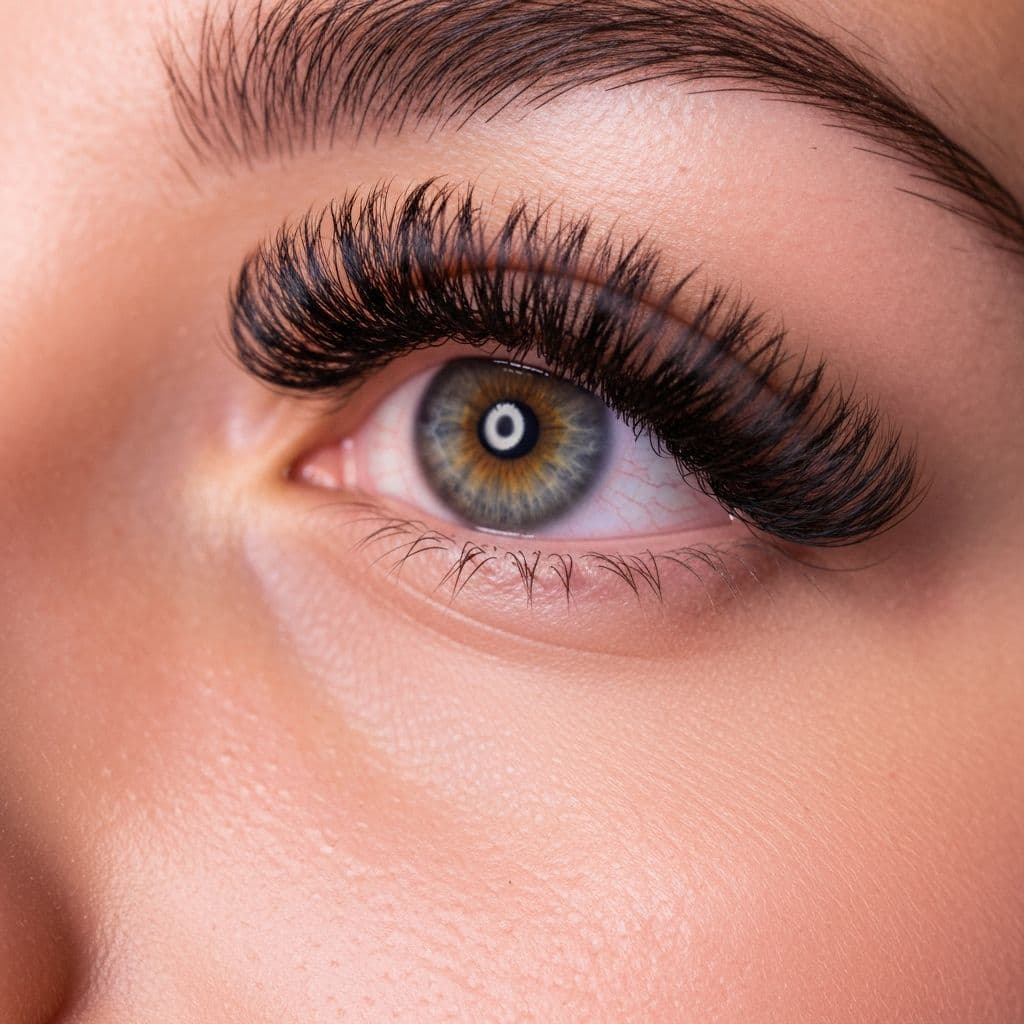
When lashes do not last, the first thing people usually blame is aftercare. Sometimes that is fair. Oil, makeup buildup, rubbing, and skipped cleansing can absolutely shorten the life of a set.
But retention starts before you ever leave the studio. The way each extension is isolated, attached, and balanced has a huge effect on how the lashes wear over the next two weeks.
Isolation is the quiet part that matters most
Isolation means one natural lash is separated before an extension is placed on it. If neighboring lashes get stuck together, they can pull as they grow at different speeds. That can feel uncomfortable and can also stress the natural lashes.
Clean isolation is slower than rushing through a set, but it is one of the biggest reasons lashes brush out smoothly and shed in a healthy way.
Adhesive placement should be small and intentional
Good attachment does not mean using more glue. It means placing the right amount of adhesive at the base and getting enough contact between the extension and the natural lash.
Too little adhesive can cause early shedding. Too much adhesive can create stickiness, clumps, or a stiff lash line. The sweet spot is controlled, clean, and almost invisible once the set is finished.
A comfortable set should feel light after the appointment. You should not feel sharp spots when you blink or brush through the lashes.
Room conditions affect how adhesive cures
Lash adhesive responds to the room. Humidity and temperature can change how quickly it cures, which is why professional studios pay attention to their environment.
If adhesive cures too quickly, the bond may be weak before the extension is fully placed. If it cures too slowly, lashes can shift or stick together. This is one reason consistent technique matters so much.
Natural lash health sets the limit
Every natural lash has a weight limit. A fuller style can still be safe, but the artist has to choose lengths and diameters that your lashes can handle.
If your lashes are fine, short, recovering from damage, or naturally sparse, your best set may be a lighter map with smart styling. Healthy retention is better than a dramatic set that your natural lashes cannot support.
- Shorter lengths often retain better than very long extensions
- Inner corners need lighter styling because those lashes are usually finer
- Regular fills help remove grown-out extensions before they twist or droop
Aftercare still carries the set home
Once the application is clean, your routine protects the work. Brush gently, cleanse with a lash-safe cleanser, avoid oil-heavy products around the eyes, and try not to sleep directly on your lashes.
Most clients do best with a fill every two weeks. That timing keeps the set looking full and lets your artist remove grown-out lashes before they start leaning in odd directions.
- Clean lashes two to three times a week, or more if you wear makeup
- Use oil-free remover around the eye area
- Do not pick, pull, or twist grown-out extensions
- Book fills before the set gets too sparse
What to tell your lash artist
Your artist can troubleshoot better when you share details. Mention if one eye sheds faster, if you sleep on a certain side, if your eyes water during appointments, or if you changed skincare products.
Retention is a partnership. The studio controls the technique, and you control the day-to-day care. When both sides are handled well, your lashes should look better for longer.
Quick Questions
Why do my lash extensions fall out faster on one eye?
It can happen from sleeping on one side, watery eyes, makeup habits, natural lash growth differences, or how that eye was isolated during application.
How often should I clean lash extensions?
Most clients should cleanse two to three times a week. Clean more often if you wear eye makeup, sweat a lot, or have oily skin.
Is it normal to lose lashes every day?
Yes. Natural lashes shed daily as part of the growth cycle. What matters is whether the set is thinning evenly and comfortably.